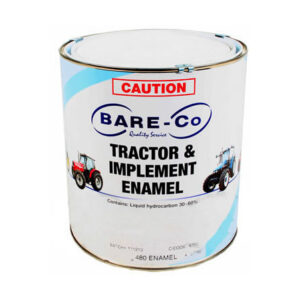
4 Litre Paint – (Early) Ford Blue – Bare Co B5268 – Tractor Enamel
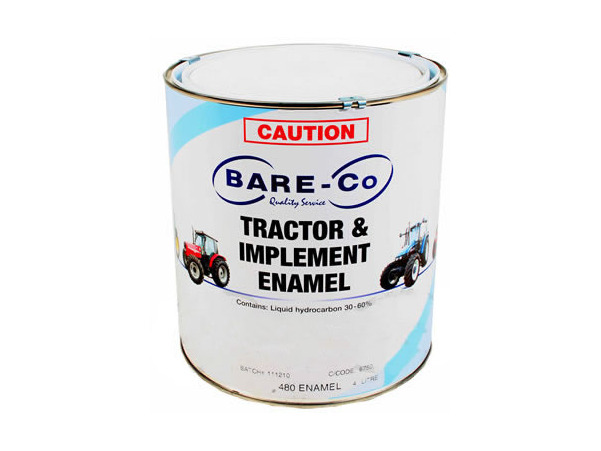

The Bare Co B5268 (Early) Ford Blue Paint – 4 Litre is a premium-quality tractor enamel formulated to match the original Early Ford Blue finish used on classic Ford agricultural tractors. Ideal for restoration projects and full resprays, this authentic colour delivers a factory-correct appearance for vintage Ford models.


Description
4 Litre Paint – (Early) Ford Blue – Bare Co B5268 – Tractor Enamel
The Bare Co B5268 (Early) Ford Blue Paint – 4 Litre is a premium-quality tractor enamel formulated to match the original Early Ford Blue finish used on classic Ford agricultural tractors. Ideal for restoration projects and full resprays, this authentic colour delivers a factory-correct appearance for vintage Ford models.
Designed for durability and long-lasting gloss retention, this Early Ford Blue tractor paint provides excellent coverage, strong adhesion, and reliable protection against weather, rust, and everyday farm wear. Suitable for bonnets, mudguards, wheels, chassis components, and body panels, it ensures consistent colour accuracy across restoration work.
Perfect for restoring early Ford tractor models including Ford 2000, 3000 and other classic series, the Bare Co B5268 4L paint tin is ideal for larger repainting projects and professional-quality finishes.
Key Features:
-
Bare Co part number: B5268
-
Colour: (Early) Ford Blue
-
Size: 4 Litre tin
-
Premium tractor enamel finish
-
Factory-correct restoration colour
-
Excellent coverage and colour accuracy
-
Durable, weather-resistant coating
Buy Bare Co B5268 4L Early Ford Blue paint online at Agline for quality tractor restoration paint and trusted agricultural finishes.
Early Ford Blue vs Late Ford Blue – What’s the Difference?
When restoring a classic Ford tractor, choosing the correct Ford Blue paint colour is essential for an authentic factory finish. Ford used different shades of blue across production years, commonly referred to as Early Ford Blue and Late Ford Blue.
🔵 Early Ford Blue
-
Used on earlier Ford tractor models
-
Slightly lighter, softer blue tone
-
Common on early Ford 2000 & 3000 series models
-
Ideal for vintage restoration projects
🔵 Late Ford Blue
-
Used on later Ford agricultural tractors
-
Slightly deeper, richer blue tone
-
Common on Ford 3000, 3600, 3610 & 4000 models
-
Suits later production and updated styling
How to Choose the Correct Ford Blue
To ensure accurate restoration:
✔ Check your tractor’s model and production year
✔ Review original paint traces under panels or decals
✔ Confirm whether your tractor is early or late production
Using the correct Ford tractor paint colour improves restoration value, authenticity, and overall presentation.
Agline stocks both:
-
Early Ford Blue – 4 Litre
-
Late Ford Blue – 4 Litre
Both are premium enamel paints formulated for durability, gloss retention, and long-lasting agricultural performance.
Product Specifications – Bare Co B5268
-
Product Type: Tractor enamel paint
-
Colour: Early Ford Blue
-
Volume: 4 Litres
-
Finish: Gloss enamel
-
Application: Ford tractors & agricultural machinery
-
Use: Restoration, repainting & touch-ups
-
Condition: New
-
How to Prepare a Tractor for Painting – Complete Restoration Guide
Proper preparation is the key to achieving a professional, factory-quality finish when repainting your tractor. Whether you're restoring a Ferguson TE20, Massey Ferguson MF35, Ford 3000, or any classic agricultural machine, correct surface preparation ensures:
-
Strong paint adhesion
-
Smooth, even coverage
-
Long-lasting durability
Follow this step-by-step tractor painting preparation guide for the best results.
1. Strip & Disassemble Where Possible
For a professional finish, remove as many components as practical before painting.
Remove:
-
Bonnet panels
-
Mudguards
-
Wheels
-
Small bolt-on components
-
Badges and decals
-
Lights and rubber parts
Tip: Label bolts and hardware for easy reassembly.
Disassembly allows for cleaner edges, better coverage, and a more professional overall result.
2. Degrease & Clean Thoroughly
Farm machinery naturally accumulates oil, grease, and dirt over time. Painting over contaminants will cause adhesion failure.
Steps:
-
Use a quality degreaser to remove oil residue
-
Wash down thoroughly
-
Allow all surfaces to completely dry
A clean surface is essential before sanding or applying primer.
3. Remove Rust & Old Paint
Rust and loose paint must be fully removed to prevent future peeling or corrosion.
Depending on condition:
-
Wire brush or mechanical sanding for light rust
-
Flap discs for heavier corrosion
-
Sandblasting for full restorations
Remove all loose paint and corrosion before moving to the next stage.
4. Sand for Proper Adhesion
Sanding creates a mechanical key for primer and enamel to bond properly.
Recommended:
-
Medium grit sandpaper (120–240 grit)
-
Smooth out rough areas
-
Feather edges around repairs
Proper sanding ensures a smooth, uniform surface ready for primer.
5. Apply Primer
Primer improves paint adhesion and provides corrosion resistance — it is essential for long-term durability.
Best practice:
-
Use a suitable metal primer
-
Apply even coats
-
Allow full curing time
-
Lightly sand between coats if required
Skipping primer is one of the most common restoration mistakes.
6. Prepare Your Paint
When using tractor enamel paint:
-
Stir thoroughly before use
-
Thin with appropriate paint thinners if spraying
-
Use correct spray gun settings or high-quality brushes
Available Colours:
-
Ferguson Stoneleigh Grey
-
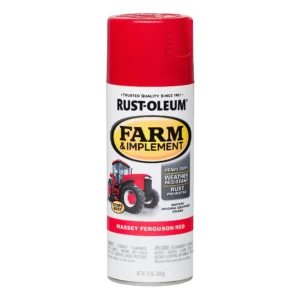
Massey Ferguson Red
-
Ford Blue (Early & Late)
-
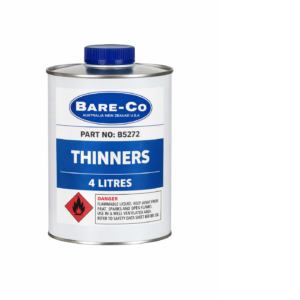
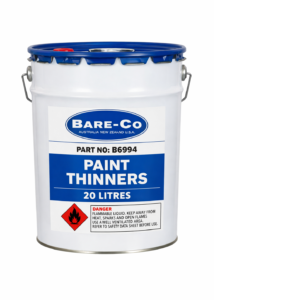
4L & 20L Paint Thinners
Using the correct thinner and mixing ratios ensures optimal flow and finish.
7. Apply Paint in Even Coats
Achieve a factory-style finish by applying:
-
Multiple light coats (not one heavy coat)
-
Proper flash-off time between coats
-
Paint in low humidity, clean conditions
Avoid windy or dusty environments that can contaminate wet paint.
8. Allow Proper Curing Time
-
Follow manufacturer drying times
-
Avoid handling parts too soon
-
Reassemble carefully once fully cured
Rushing curing time can damage the finish and reduce durability.
Common Tractor Painting Mistakes to Avoid
-
Painting over grease or contamination
-
Skipping primer
-
Applying heavy coats
-
Failing to remove rust completely
-
Painting in windy or dusty environments
Avoiding these mistakes dramatically improves your final result.
Products You May Need
-
Tractor enamel paint
-
Paint thinners (4L & 20L)
-
Metal primer
-
Sandpaper & wire brushes
-
Spray equipment
-
Replacement badges & decals
Why Proper Preparation Matters
Good preparation:
-
Improves paint adhesion
-
Prevents peeling and rust
-
Enhances gloss and finish
-
Increases restoration value
-
Delivers long-lasting agricultural durability
A well-prepared tractor not only looks better — it lasts longer and maintains its value.
-
Additional information
| Weight | 4.5 kg |
|---|